Byte+Count
AI-powered nutrition tracking at clinical precision
wHat we Do
We build end-to-end AI systems that transform multimodal sensor data into clinically usable nutrition insights. Our system is already deployed in real hospital environments.
WHY IT MATTERS
Our goal is to make nutrition measurable at scale, a critical yet underappreciated factor in patient recovery, improving patients’ quality of life while reducing clinical workload.
Product
From Tray to Dashboard
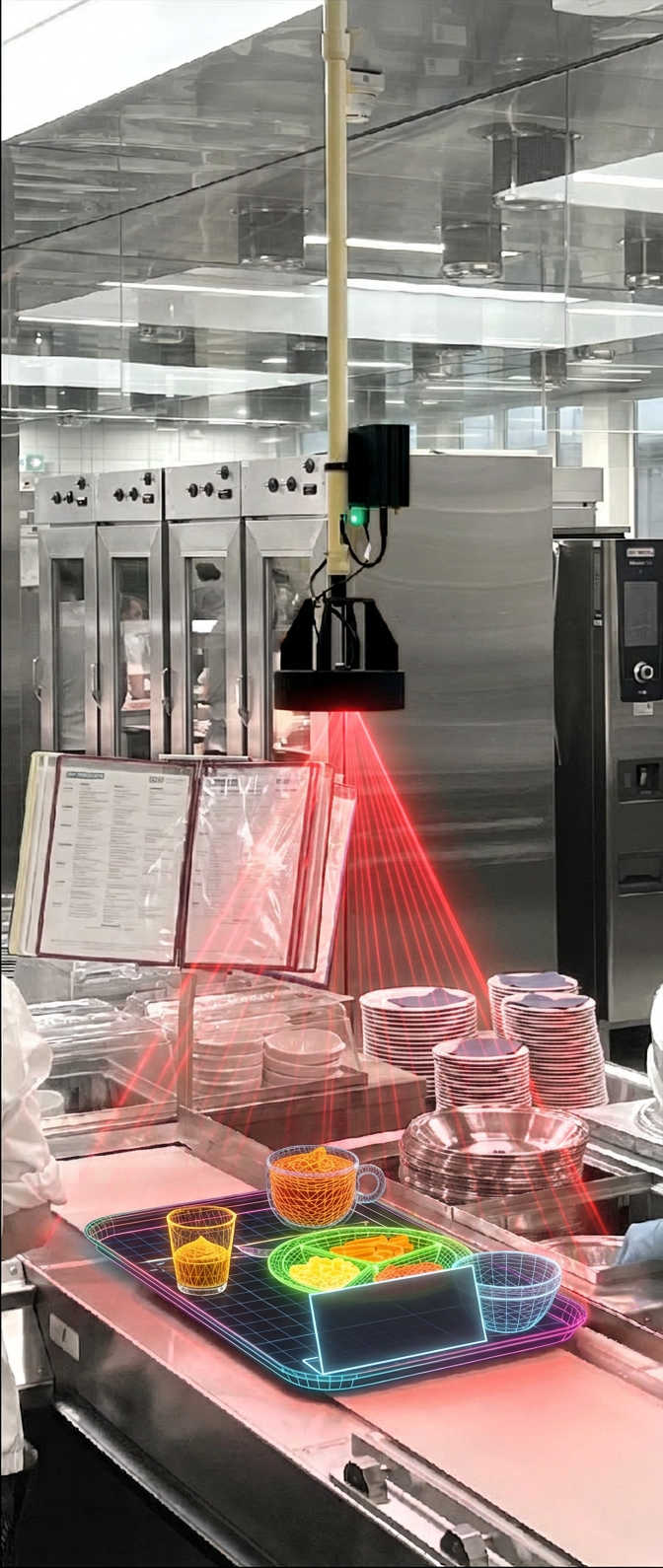
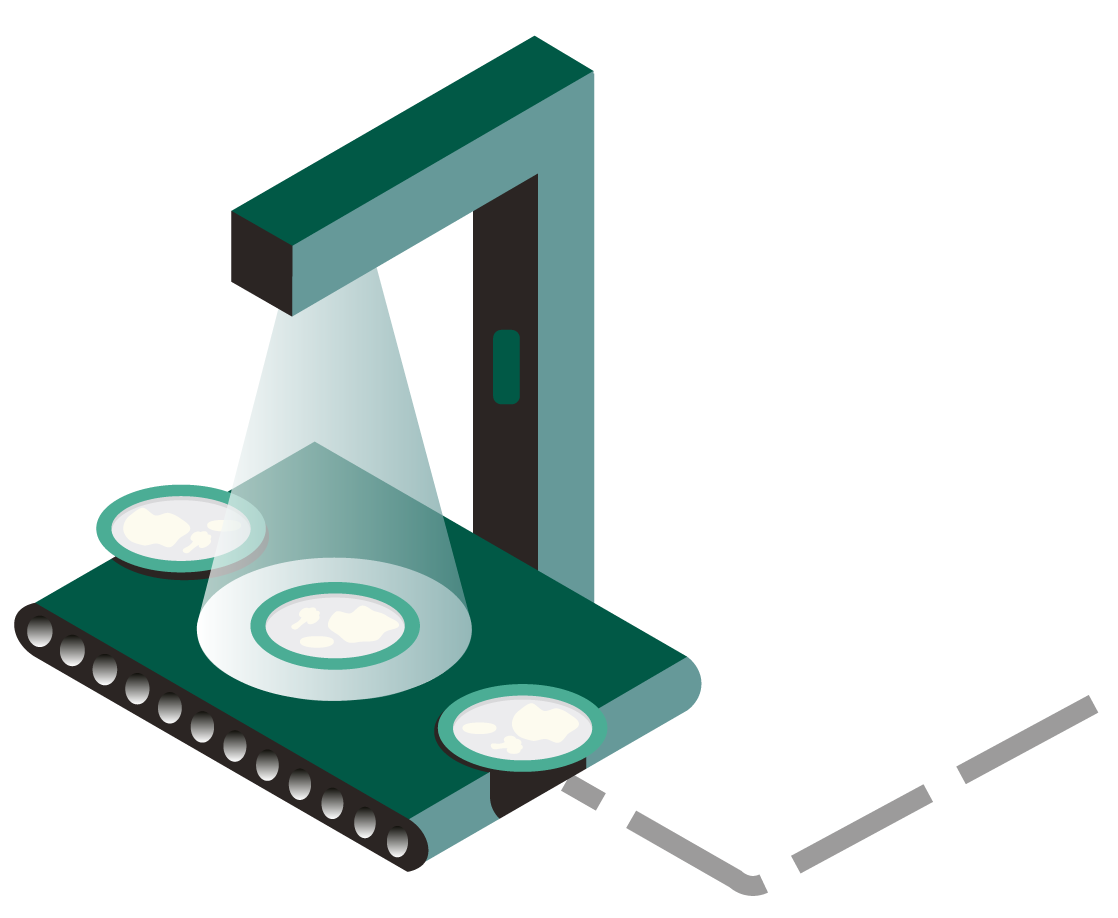
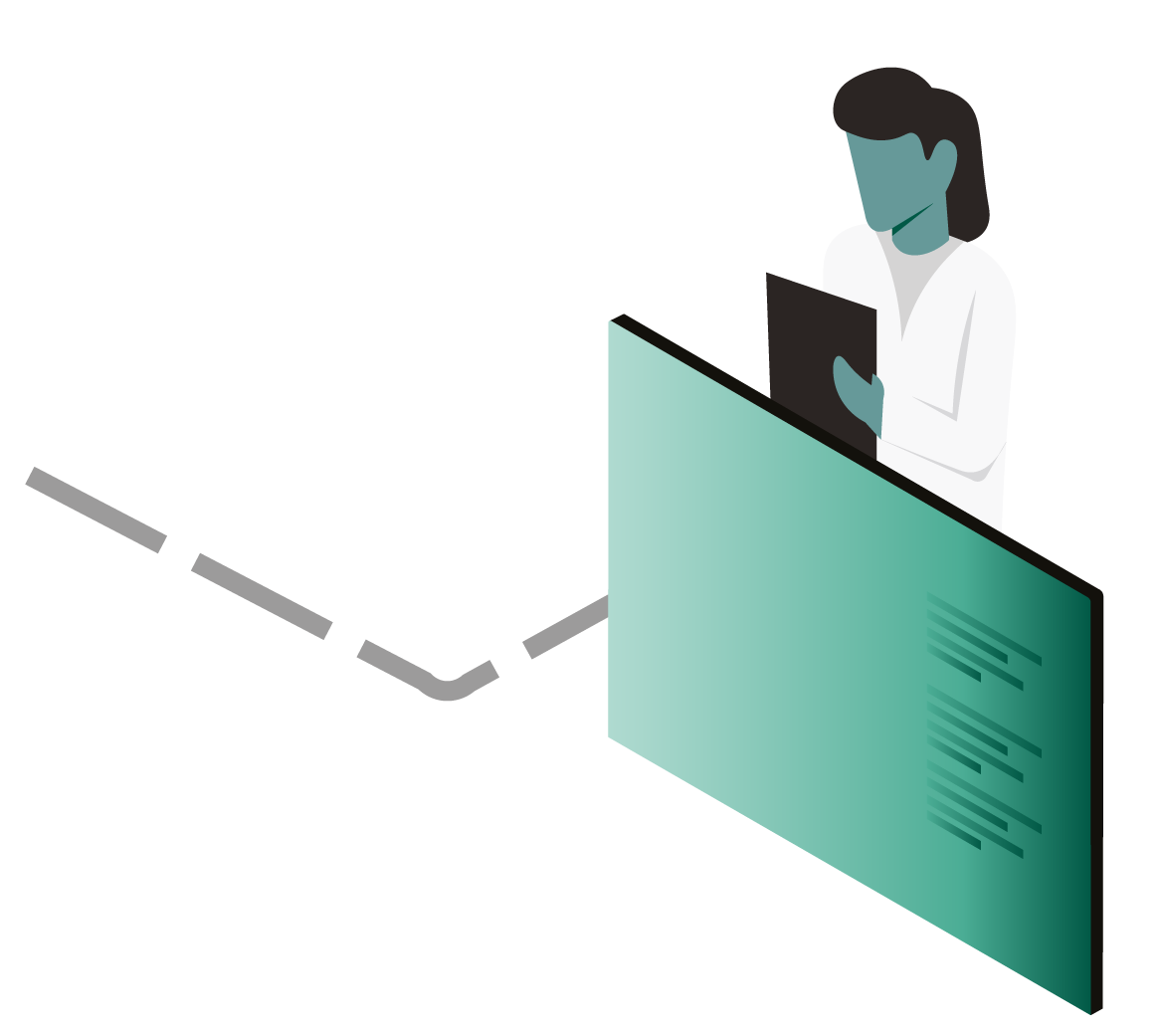
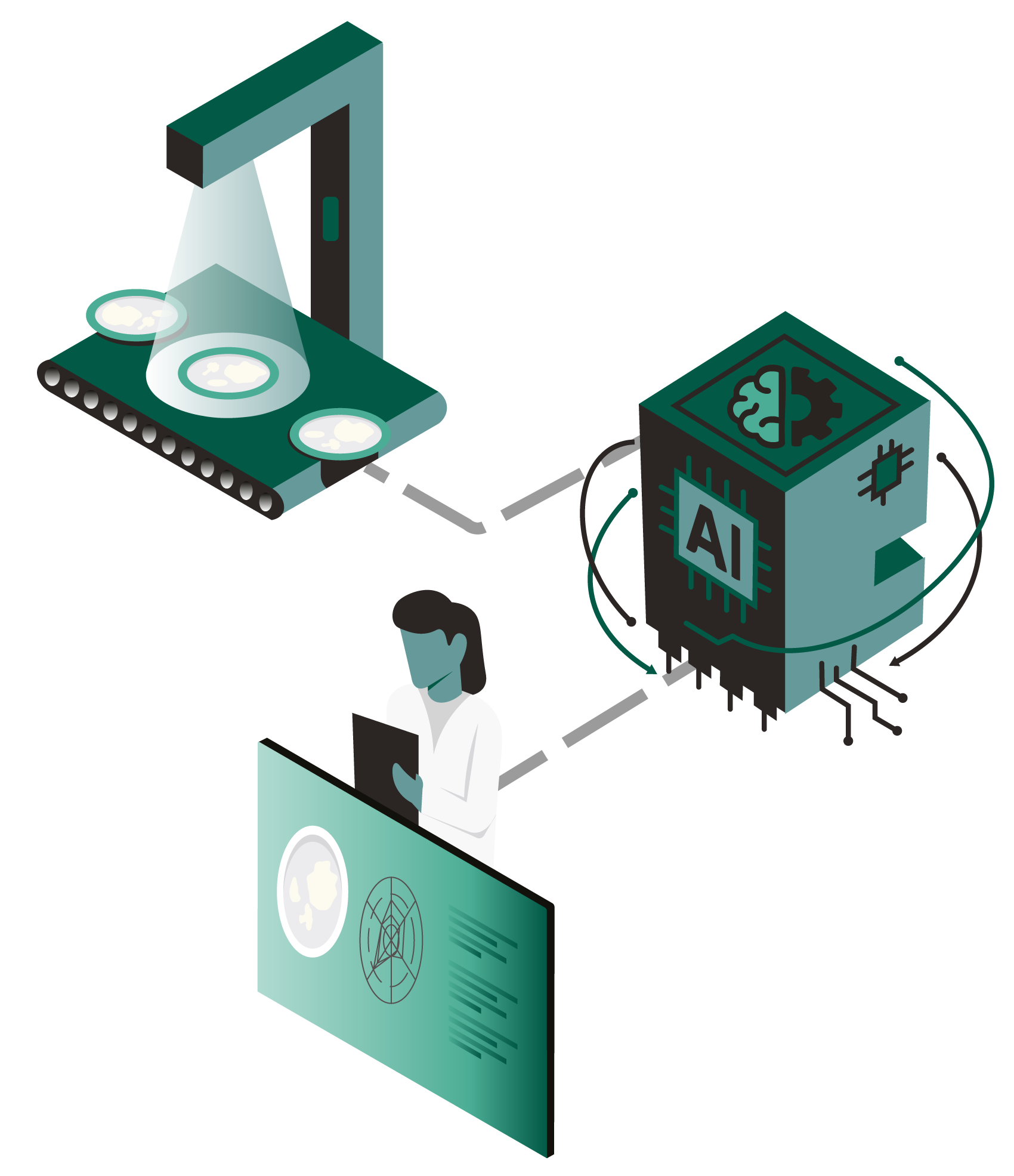
ByteCount combines an AI-powered sensing device with a web interface for nutritionists, forming a seamless end-to-end system.
Meals are captured in 3D, analyzed, and translated into clear nutritional insights.

Clinical-Grade Accuracy
Macronutrient accuracy per meal
~90%
Images processed per hospital per day
~1’000
Food waste per hospital per day
~85 kg
Documentation time saved per patient per day
~15 minutes



Technology
Built for Real-World Complexity
Food amount estimation is one of the most challenging problems in computer vision. Food is often highly variable, mixed, and occluded.
Most available datasets focus on neatly served meals, while real-world data is significantly more complex and unstructured.
We address this with multimodal learning using RGB and depth, geometry-aware modeling, and continuous improvement driven by real-world data.
Impact
making nutrition measurable
Our system introduces objective, continuous data into clinical workflows, creating value across patients, healthcare providers, and hospital operations by turning meals into actionable insights that improve outcomes, reduce workload, and minimize food waste.
PATIENT CARE
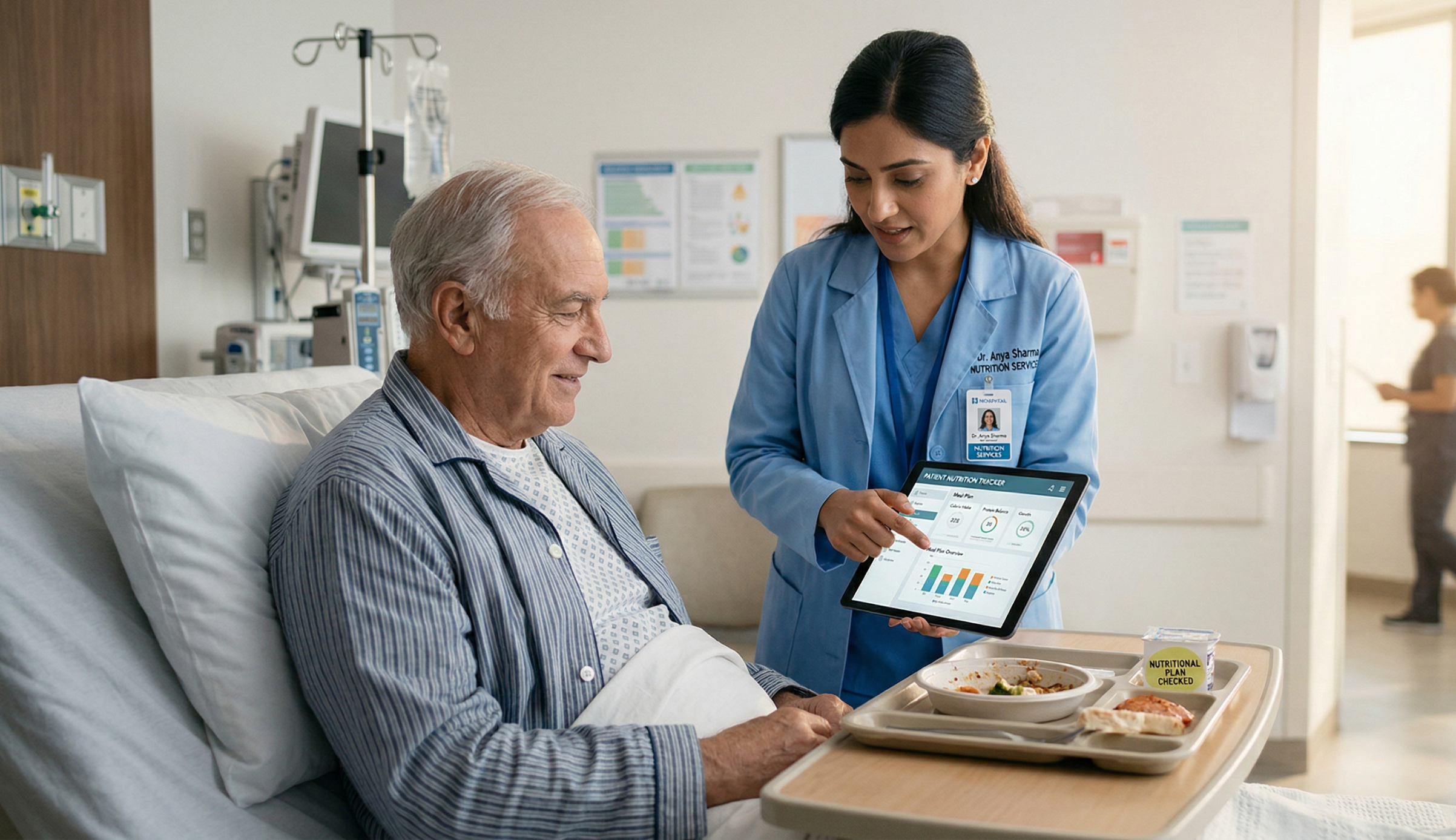
In Swiss hospitals, an estimated 20–30% of patients are affected by malnutrition, while only around 6% are formally identified. ByteCount enables reliable nutrition monitoring, a critical factor in identifying patients at risk of insufficient nutritional intake. At the same time, automatic documentation provides clinical teams with a clear overview of what has been consumed, enabling more informed decisions.
TIME SAVING FOR HOSPITAL STAFF
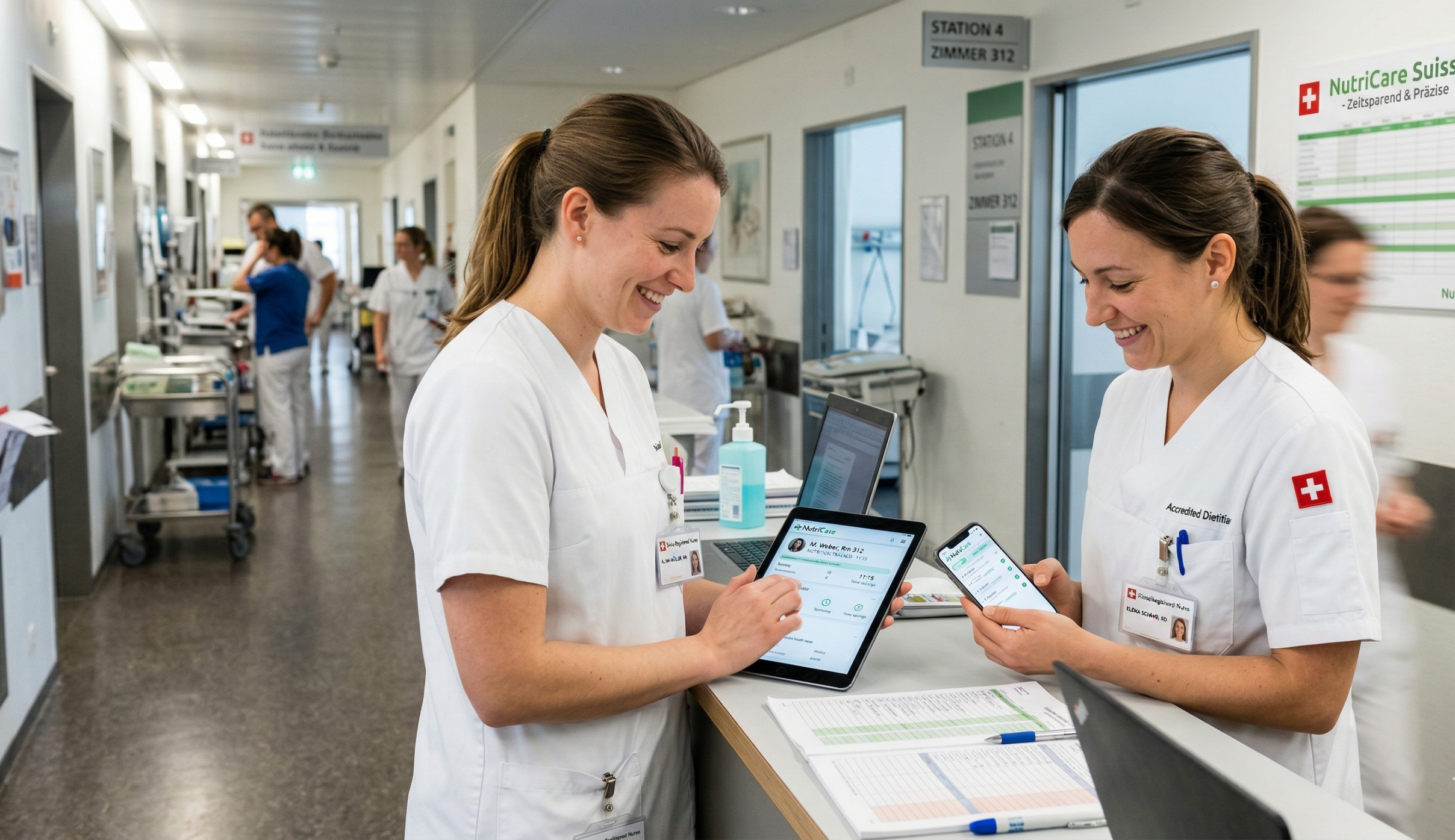
Manual checks, handwritten notes, and repeated coordination consume valuable time in daily hospital operations. ByteCount automates large parts of this process, enabling faster and more reliable meal documentation with fewer interruptions. This reduces administrative workload and can save around 15 minutes per day for each malnourished patient, allowing nurses, dietitians, and kitchen teams to focus more on patient related tasks.
FOOD WASTE REDUCTION
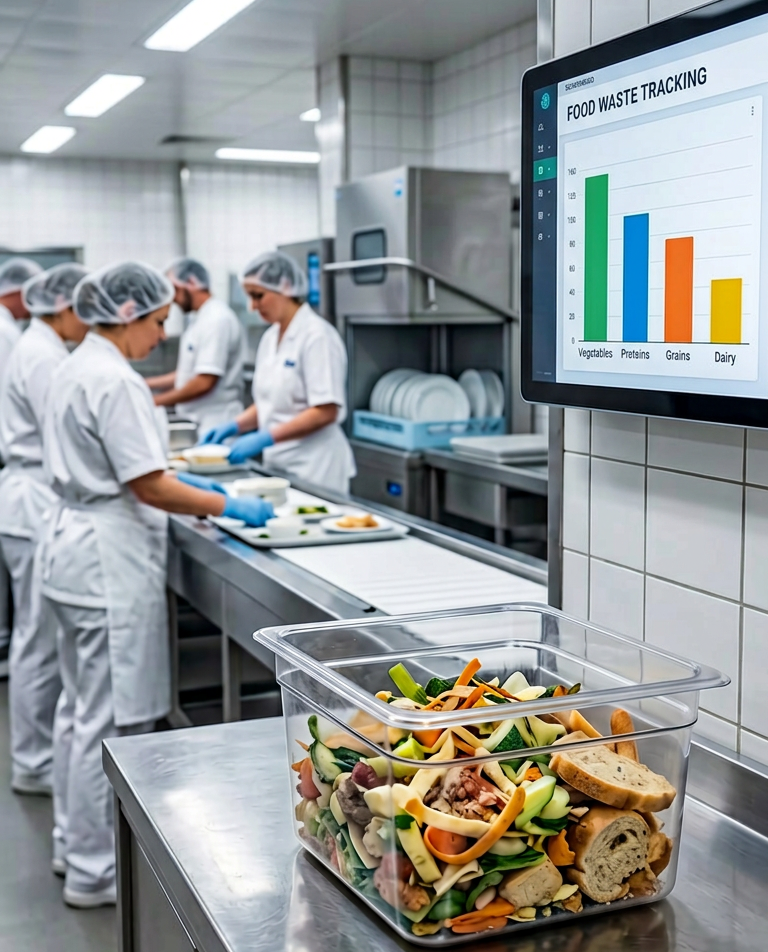
In hospitals, food waste is substantial, averaging around 85 kg per day, with significant financial and environmental impact. This corresponds to approximately CHF 180,000 per year in raw ingredients and up to CHF 750,000 annually when including energy, labor, and operational costs, as well as around 20,000 kg of CO₂ emissions. ByteCount creates real time transparency by tracking what is served and left over, enabling hospitals to identify patterns and optimize menu planning based on actual consumption.
SEAMLESS INTEGRATION IN THE KITCHEN
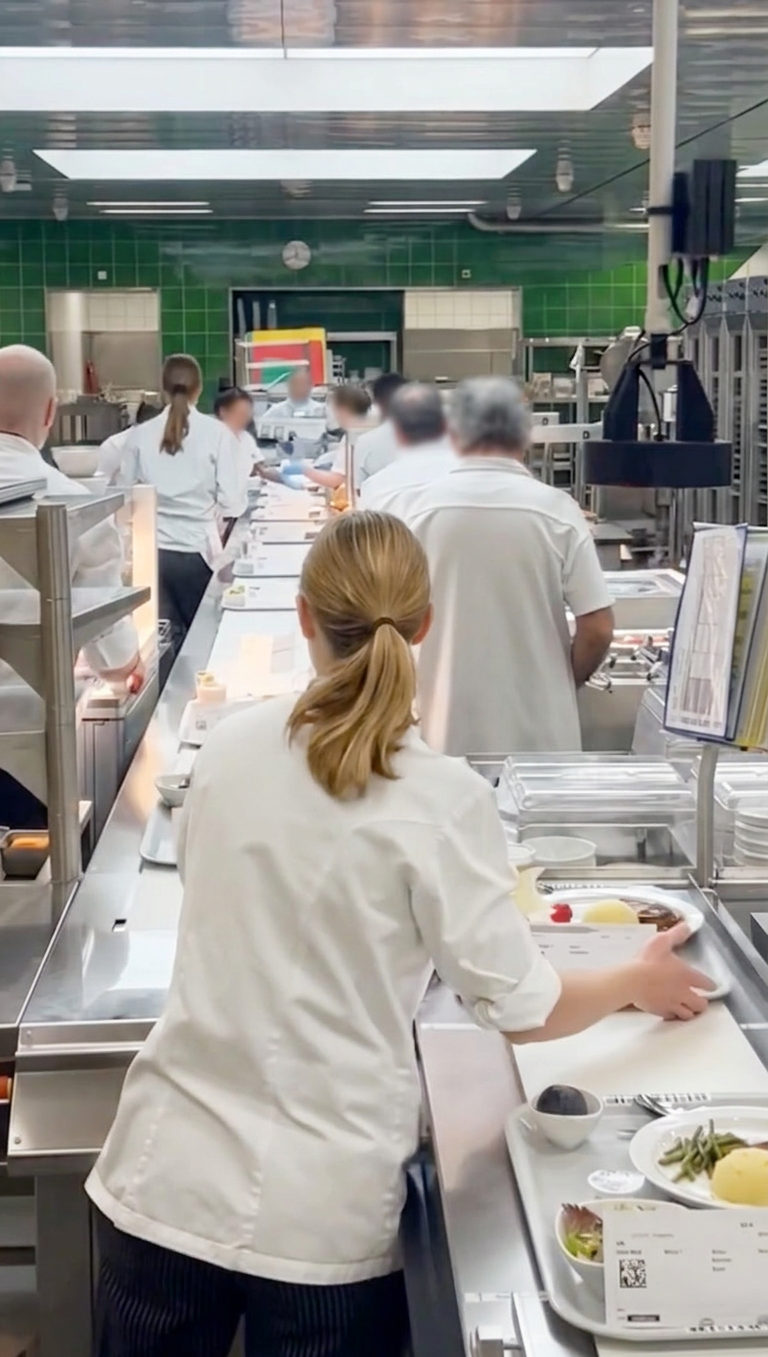
The system integrates seamlessly into existing kitchen and hospital workflows, with automated scanning as meals are served or collected, requiring no additional steps from kitchen staff. All data is processed with a privacy first design, with patient information anonymized directly on the device so that no patient identifiers are ever stored or transmitted.
Team

Dr. Raban Iten
Physics & AI (ETH)

Daniel Zhang
Computer Science (ETH)

Jonathan Perraudin
Mechanical Engineering (ETH)

Vasily Kopylov
Physics & Machine Learning (ETH)

Joëlle Wickart
Nutrition Science (BFH, Uni Graz)
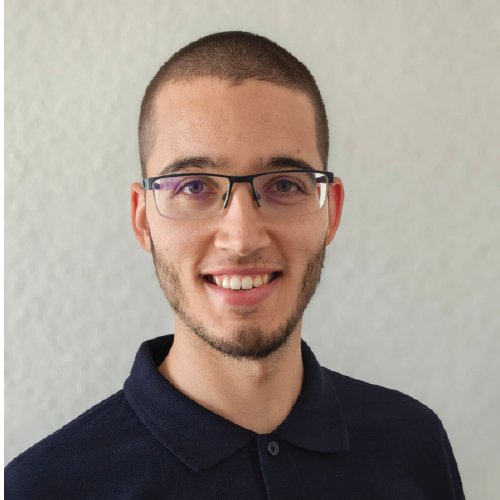
Nicolas Parel
Nutrition Science (HEdS & HES-SO - Unil)
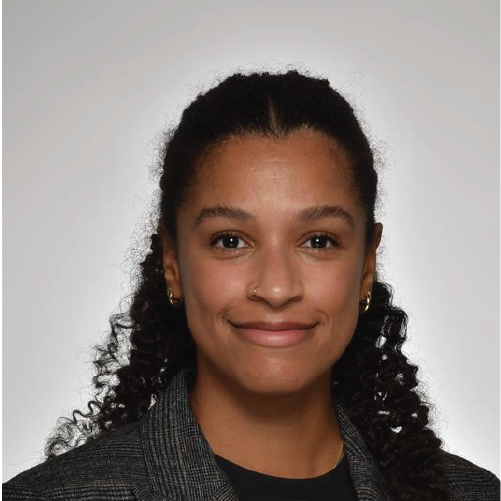
Dr. Ciatta Wobill
Food Science and Engineering (ETH)

Dr. Robert Schreiber
Neuroscience & Management (HSG, ETH)